How to Spot Flood or Salvage Damage Before You Buy at Auction

The whispers, the waterlines, and the paperwork that tell you what a shiny photo never will

AUGUST 2026 EDITION

The Swamp Under the Carpet

When Damage Whispers Instead of Shouts

A used car can look gorgeous under bright auction photos and still be hiding a swamp under the carpet. I've seen it: polished paint, dressed tires, clean dashboard, and then one tug on the seatbelt reveals a chalky water stain halfway up the webbing.

That's the danger with flood and salvage vehicles. The damage doesn't always shout. Sometimes it whispers from a corroded connector, a musty HVAC vent, or a title history that took a suspicious little vacation across state lines.

For buyers using online auctions, the opportunity is real. Direct auction pricing can beat traditional retail markups, especially when platforms such as VirtualCarHub.com give shoppers access to inventory that used to sit mostly behind dealer gates. But savings only count if the vehicle isn't a rolling electrical nightmare.

"The title brand tells you there was a serious event. It does not tell you whether the repair was honest, skilled, rushed, or downright scary."

This guide walks you through a practical inspection routine for spotting flood damage, salvage branding, title washing, and suspiciously cheap cars. Use it before you bid, before you wire money, and absolutely before you fall in love with a low-mileage SUV from a storm-prone ZIP code. If you want the deeper walkthrough, our companion piece, How to Spot Flood or Salvage Damage — A Buyer's Step-by-Step Guide with Auction Pricing and Return Protection, expands on the pricing and protection angles.

Why Salvage Fools Smart Buyers

Water Doesn't Damage Everything At Once

Flood cars are tricky because water doesn't damage every part at once. A vehicle may start, shift, idle smoothly, and pass a quick visual inspection while moisture is already working through wiring harnesses, airbag modules, body control units, seat motors, wheel-speed sensors, and infotainment electronics. Then, three weeks later, the dashboard lights up like Times Square. Buyers comparing Used SUVs should pay particular attention to hidden water damage in modules, wiring, and other electronics.

Salvage damage is a broader category. In the USA, a vehicle usually receives a salvage title after an insurance company declares it a total loss, though the exact threshold varies by state. Some states use percentage-of-value formulas. Others give insurers more discretion. A car can be salvaged because of collision damage, theft recovery, hail, fire, vandalism, or flooding.

Here's the part buyers miss: a salvage title isn't automatically a death sentence. I've seen repaired hail cars that were perfectly serviceable commuters. I've also seen flood-branded vehicles that looked clean enough for a showroom and then failed because corrosion had crept into the fuse box. The title brand tells you there was a serious event. It does not tell you whether the repair was honest, skilled, rushed, or downright scary.

Online buying adds another wrinkle. Photos flatten reality. Odors don't come through a screen. Neither does the gritty feel of silt in a seat track. That's why car auction access for buyers in USA markets has to be paired with a disciplined inspection process, not wishful thinking.

Understand the Title Words Before You Shop

Title terminology varies, but these are the labels you'll run into most often:

  • Clean title: No major brand currently shown, though history reports may still reveal accidents or prior problems.
  • Salvage title: The vehicle was declared a total loss and may not be road-legal until repaired and inspected.
  • Rebuilt or reconstructed title: A former salvage vehicle repaired and approved for road use under state rules.
  • Flood title: Water damage was significant enough to require branding in that state.
  • Junk or parts-only title: Usually not eligible for normal registration. Walk away unless you're buying components.
  • Lemon buyback: Manufacturer repurchased the vehicle after unresolved defects, depending on state lemon law criteria.

Don't assume a clean title means a clean past. Title washing happens when a damaged vehicle is moved through states with different branding rules or administrative gaps. It's less common than internet horror stories make it sound, but it's real enough that the National Insurance Crime Bureau has long warned buyers to verify VIN history before purchase.

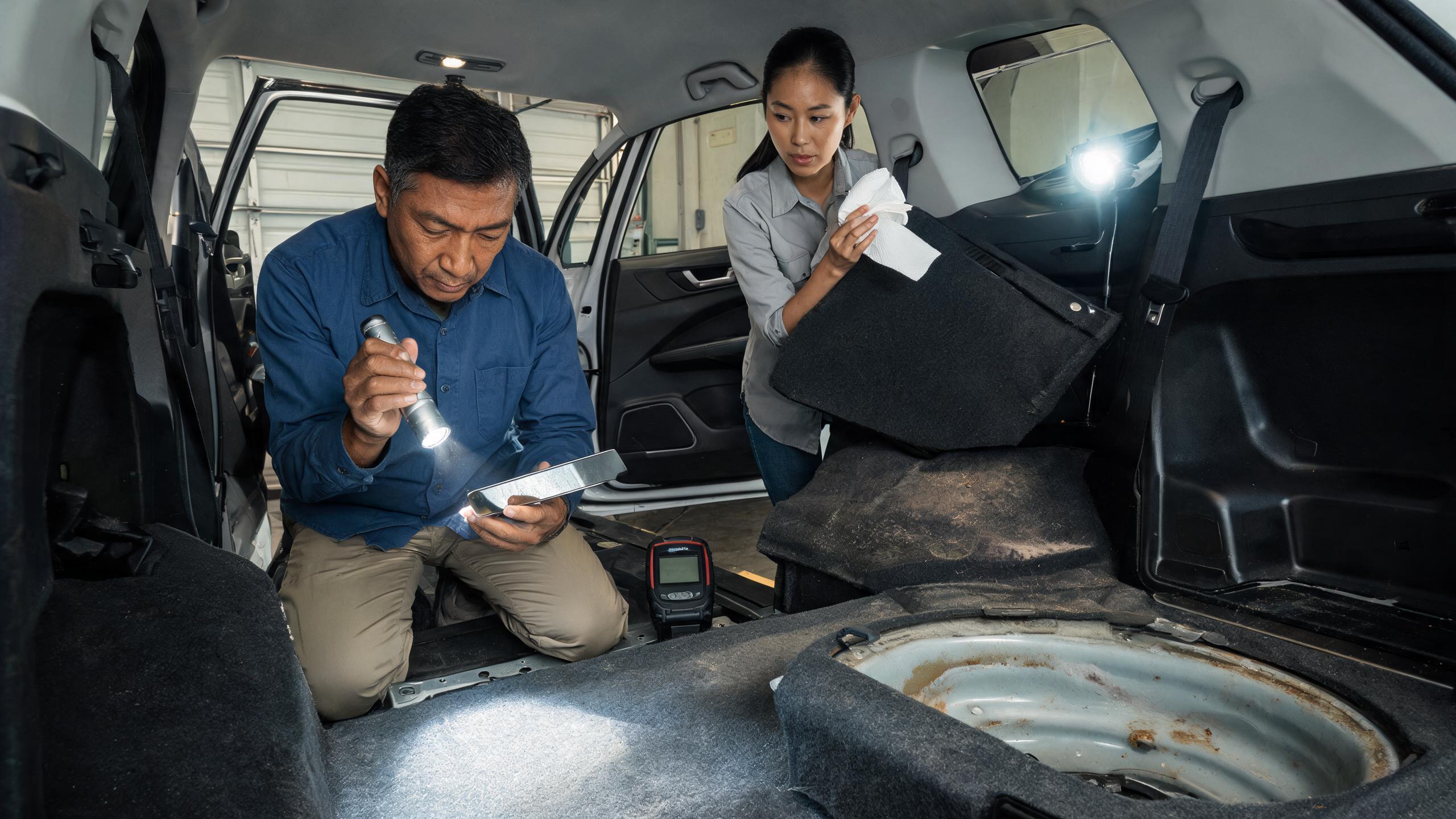
Used car inspection with flashlight, mirror, paper towels, and scanner checking for hidden flood damage before buying undervalued used cars.

Car Auction Access for Buyers in USA — Without Getting Burned

Start with the VIN. Not the photos. Not the color. Not the monthly payment calculator. The VIN is the thread you pull when you want the whole story to unravel.

  1. Copy the VIN from the auction listing and compare it against any dashboard or door-jamb photos. If the listing has blurry VIN images, ask why.
  2. Run at least one vehicle history report. Two is better when the purchase is expensive. CARFAX and AutoCheck sometimes catch different events.
  3. Check the NICB VINCheck tool for theft and total-loss records. It's free and takes less than two minutes.
  4. Search the VIN in a regular search engine. Old auction photos often linger online and can show previous damage before repairs.
  5. Review the title state. Be extra alert if the vehicle moved from Florida, Texas, Louisiana, North Carolina, New Jersey, or New York after major storms.

I like to build a quick timeline on paper: first registration, ownership changes, auction appearances, insurance event, repairs, title transfer. If there's a six-month silence right after a flood-heavy season, I don't panic, but I dig harder. Gaps are where the interesting stuff hides. For the specific warning signs that hide in those reports, see How to Read a Vehicle History Report: Red Flags to Catch in Carfax and AutoCheck Before You Buy.

"Cheap is not the same as undervalued. Sometimes the discount is payment for uncertainty."

Now compare the price. Transparent car pricing should make sense against mileage, trim, condition, title status, and regional demand. If a three-year-old pickup is priced $8,000 under comparable clean-title trucks in your area, don't congratulate yourself yet. Ask what the market already knows that you don't. Comparing similar Used cars under $50k can help reveal whether an unusually low auction price reflects condition or title risk.

Used-car pricing in the USA has been unusually sensitive since the pandemic-era inventory crunch, and wholesale values still swing by season, fuel prices, interest rates, and tax-refund buying patterns. Trucks may command stronger money in Texas and the Mountain West. All-wheel-drive crossovers heat up before winter in the Northeast. Convertibles can spike in the Sun Belt. Regional pricing matters. Regional demand can make Used Trucks especially sensitive to location, season, and local market conditions.

Read the Auction Condition Report Like a Skeptical Mechanic

Auction reports use a compact language. "Runs and drives" does not mean road-trip ready. It means the vehicle started and moved under its own power at that moment. "Normal wear" is subjective. "Water/flood" should stop you in your tracks until you know exactly what was submerged, how high, and for how long.

Look for these clues in listing notes and photos:

  • Interior shots missing from an otherwise detailed listing.
  • Freshly shampooed carpet in an older car. Too clean can be a clue.
  • Condensation inside headlights, taillights, or instrument clusters.
  • Mud or tan residue around spare-tire wells, jack compartments, seat rails, and lower door seals.
  • Multiple electrical warnings visible on the dash.
  • New seat upholstery that doesn't match the vehicle's age.
  • Airbag light on after a flood or collision event.

When VirtualCarHub.com discusses auction direct pricing, the useful angle for buyers is not just the lower entry point. It's the ability to compare auction pricing against retail listings and decide whether the discount fairly reflects the risk. Cheap is not the same as undervalued.

Inspecting for Hidden Damage

Go Low. Bring a Flashlight.

If you can inspect in person, bring a flashlight, paper towels, a small mirror, an OBD-II scanner, and clothes you don't mind getting dusty. You're going low: under seats, under mats, into the trunk, along pinch welds, behind trim edges if accessible. Glamorous? No. Effective? Very.

Start With Smell, Then Distrust It

Open the door and pause. Flood cars often smell musty, sour, chemical, or weirdly perfumed. Sellers know this, so they bomb interiors with ozone treatments, deodorizer, coffee grounds, and those aggressive little air fresheners that could stun a raccoon.

"A clean smell doesn't clear the car. A bad smell condemns it. That's the rule I use."

Check the Low Points

Water leaves evidence where lazy cleaning misses it. Slide the front seats fully back and inspect the rails. Surface rust on bare metal seat hardware can happen in humid climates, but flaky corrosion, silt, or orange staining on a newer vehicle deserves suspicion. Pull the seatbelts all the way out and look for discoloration or grit near the end.

Lift floor mats and press the carpet. Does it feel damp? Crunchy underneath? Mismatched? Check the trunk well, spare tire compartment, and battery area if the battery sits in the rear. Flood residue loves hidden bowls in the body structure.

Probe the Electrical System

Modern vehicles are rolling computer networks. A late-model SUV may have dozens of modules communicating over CAN bus systems, and water inside one connector can create intermittent faults that even skilled technicians hate chasing.

Turn on everything. Power windows. Locks. Mirrors. Heated seats. Ventilated seats. Rear camera. Parking sensors. Sunroof. Wipers. Headlights. Brake lights. Bluetooth. USB ports. The horn. Then scan for codes. If the seller says the battery was recently replaced and there are multiple low-voltage or communication codes, maybe it's innocent. Maybe not.

Pay attention to airbag and restraint-system warnings. Flood exposure can compromise sensors under seats and modules mounted low in the cabin. Safety systems are not the place to gamble for a bargain.

When Salvage Might Make Sense

Some salvage or rebuilt vehicles can be reasonable purchases for experienced buyers. A theft-recovered car with missing wheels and no structural damage might be fine after proper repairs. Flood salvage is different — I'm harsher there. Financing can be harder, insurance coverage may be limited, and resale value will take a beating. If you buy one, buy it with open eyes and a price that leaves room for repairs.

Transparent Pricing, Margins & the Return Safety Net

Traditional retail pricing includes reconditioning costs, overhead, transportation, advertising, floorplan expense, and profit. That's not evil. Dealers have bills. But car dealer profit margins on used cars can vary dramatically by vehicle type, market conditions, acquisition cost, and how much reconditioning was needed before sale.

Auction direct models try to narrow the gap between wholesale and retail. For buyers hunting undervalued used cars, that can be powerful. The danger is assuming every lower auction price is a hidden gem. Sometimes the discount is payment for uncertainty.

This is where buyer protection matters. A 500 mile or 7 day return policy, such as the one promoted with VirtualCarHub auction direct pricing, gives shoppers breathing room after delivery. Use that window aggressively. Don't treat it like a casual test drive period. Treat it like an inspection deadline with consequences.

  1. Schedule a mechanic inspection before the vehicle arrives, if possible. Tell the shop you're inside a return window.
  2. Ask for a lift inspection, not just a quick look in the parking lot.
  3. Scan all modules, not only the engine computer.
  4. Request photos of corrosion, leaks, frame damage, or water evidence.
  5. Compare the title documents against the VIN and seller disclosures immediately.
  6. Document everything in writing before the return period expires.

Read the policy details. Return programs often have conditions: mileage limits, damage exclusions, modification restrictions, inspection requirements, transport fees, or paperwork deadlines. The protection is valuable, but only if you follow the rules.

There is no federal three-day cooling-off period for most vehicle purchases in the USA. Dealer sales are covered by rules such as the FTC Used Car Rule, which requires a Buyers Guide on used vehicles sold by dealers, but private sales and auctions can operate differently. State disclosure laws also vary. California is not Florida. Texas is not New Jersey. Never rely on vibes when paperwork is available.

A Practical Final Checklist Before You Keep the Car

  • VIN on title, dashboard, door sticker, and listing all match.
  • History report shows no unexplained total-loss, flood, junk, or odometer issue.
  • Mechanic finds no structural repair concerns or suspicious corrosion.
  • OBD scan shows no major unresolved communication, airbag, ABS, or body module faults.
  • Interior inspection shows no silt, waterline, musty odor, or damp padding.
  • Price discount matches the actual risk, not a fantasy version of the car.
  • Return deadline, mileage allowance, and required steps are saved in writing.
"The trick isn't finding the cheapest car. It's finding the one that stays cheap after you own it."

The best auction buyers I know are optimistic, but only after they've been suspicious. They chase value. They ask annoying questions. They walk away from cars that feel almost right.

That last part matters most. There will always be another sedan, another truck, another crossover with better paperwork and fewer question marks.

Browse current inventory

Frequently asked questions

What does a salvage title mean?

A salvage title usually means an insurance company declared the vehicle a total loss, although the exact threshold varies by state. The cause may include collision damage, theft recovery, hail, fire, vandalism, or flooding.

Does a salvage title always mean the vehicle is unsafe?

No. A salvage title is not automatically a death sentence. The title brand shows that there was a serious event, but it does not show whether repairs were honest, skilled, rushed, or frightening.

What should I check for signs of flood damage?

Check for musty or unusual odors, corrosion, silt, damp or mismatched carpet, residue in the trunk or battery area, and grit or discoloration around seatbelts. Test the vehicle's electrical features and scan for codes.

Does “runs and drives” mean an auction vehicle is ready for the road?

No. It means the vehicle started and moved under its own power at that moment. It does not mean the vehicle is ready for a road trip.

Is there a federal three-day return period for vehicle purchases?

There is no federal three-day cooling-off period for most vehicle purchases in the USA. Dealer sales, private sales, and auctions can operate under different rules, and state disclosure laws vary.

Related Articles