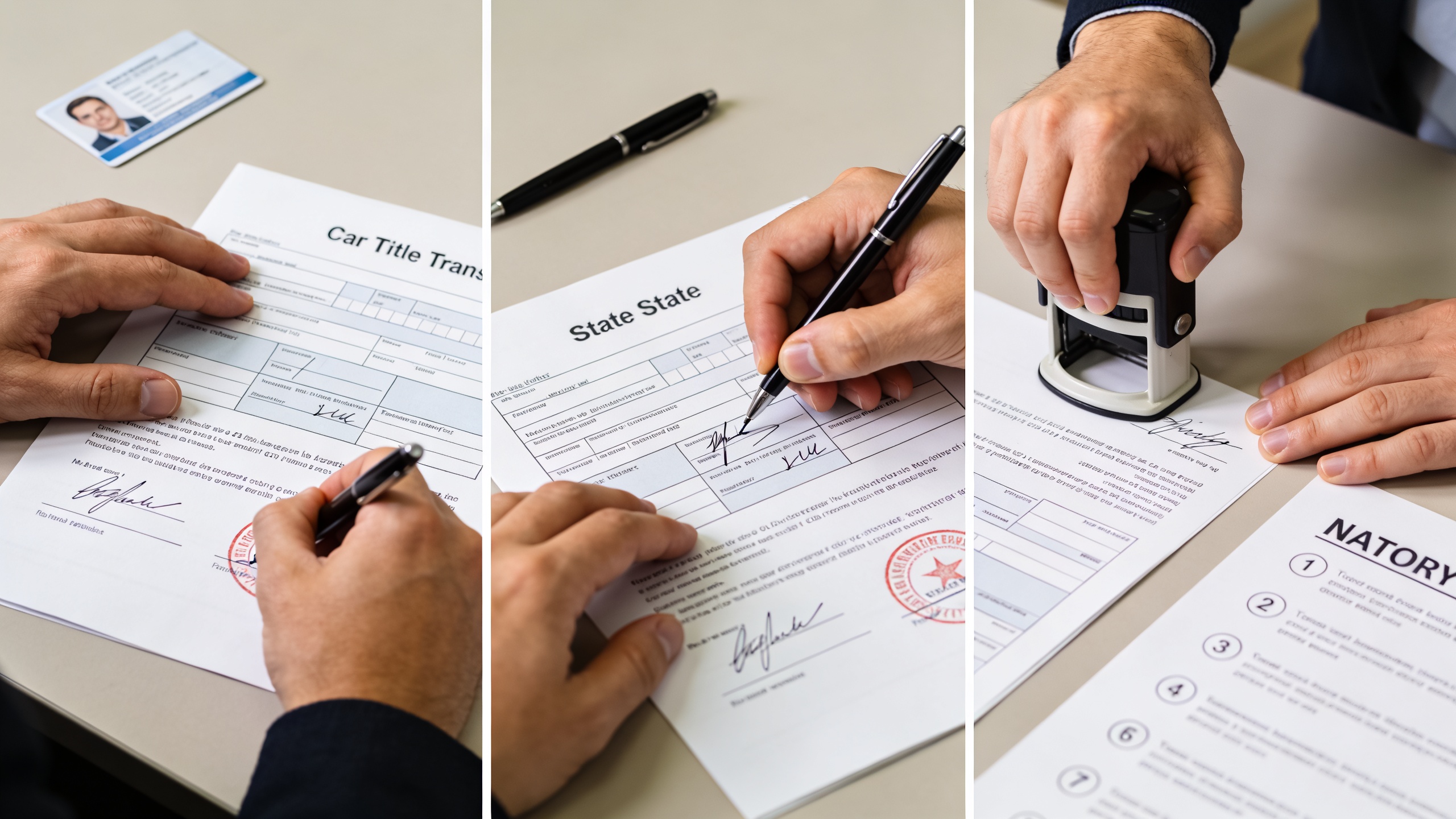
You found the car. It fits the budget, the color makes you grin, and the test drive didn't rattle your spine. Now the unglamorous part decides whether you actually own it: the title transfer. Get this right and you're cruising legally. Botch it and you're stuck, sometimes for weeks, sometimes eating fees you didn't plan for.
Here's why it matters. The used market is massive—roughly 44 million transactions roll through each year, with 40.2 million used vehicles sold in 2025 alone. Errors are common too. Title mistakes sparked about 15% of DMV disputes last year, a headache that turns into real money and delays. Not scary if you follow a clean checklist. Very scary if you don't.
A title is the state's way of saying who owns the vehicle under the Uniform Commercial Code. It's also how liens ride along, how odometer readings get certified, and how taxes get calculated. Since Real ID rules tightened identity verification, mismatches that used to slip by now land you in the slow lane.
What follows is the exact, field-tested process I give to first-time buyers. Step by step, with the forms named, the fees decoded, and the weird problems you won't see until you do. You'll see regional twists too, because rules aren't identical coast to coast.
Two routes to ownership sit on the table: the classic handshake-and-DMV visit, and the modern path where you skip the dealership car buying and arrange car delivery to home in the USA through a vetted marketplace. Both end at the same destination: your name on the title, clean and unquestioned.